This Pocketwin Casino review examines a former compact mobile casino that focused on proprietary games, bingo and low deposit thresholds. Launched in 2010, it was ultimately operated by Viral Interactive Limited. Its appeal came from a straightforward format aimed at casual players, with GBP play, selected desktop games and mobile access for Android and iOS users. Live casino was not part of the offering.
The Pocketwin Casino assessment is necessarily historical. UK Gambling Commission account number 42739 covered remote casino and bingo activities, but the licence was surrendered on 11 November 2024. That means the former UK authorisation is no longer active. The key Pocketwin licence status is therefore closely linked to the casino closure, not to a currently available regulated service.
The following table provides a concise historical casino passport. It records the main operating, payment and regulatory details associated with the service before closure.
| Key fact | Information |
|---|---|
| Launch year | 2010 |
| Final operator | Viral Interactive Limited |
| UK regulation | UK Gambling Commission account 42739, licence surrendered on 11 November 2024 |
| Account currency | GBP before closure |
| Minimum deposit | £3 by Pay by Phone or £5 by card before closure |
| Live casino | Not available |
| Customer support | Email and AI-led live chat from 18:00 to 22:00 before closure |
For 2026, the balanced conclusion is that Pocketwin’s mobile simplicity, proprietary content and accessible payment thresholds once offered a clear niche. However, the surrendered licence and resulting closure make it unsuitable for new play. Detailed discussion of its games, banking arrangements and safety considerations belongs in the relevant dedicated sections.
Historical descriptions of Pocketwin Casino online present a relatively small, mobile-optimised catalogue centred on proprietary titles, bingo and straightforward RNG table games. Pocketwin casino games were not arranged like a large multi-provider lobby, and live-dealer tables were not available. Secondary accounts place the library at roughly 40–70 titles at different stages of operation, so that figure is best treated as a reported range, not a fixed count. Pocketwin slots formed the main category, combining fruit-machine themes, feature-led reels and smaller in-house jackpots. The table summarises the documented formats, with roulette, poker and bingo covered in more detail below.
| Category | Historical availability | Main detail |
|---|---|---|
| Slots | Available | Mobile-focused proprietary slots; reports place the wider library at roughly 40–70 games. |
| Roulette | Available | One basic RNG roulette format rather than live-dealer tables. |
| Blackjack | Available | A limited RNG table-game version. |
| Poker-style games | Limited | Hi-Lo Poker was identified; Three Card Poker was not documented. |
| Bingo | Available | Five themed 90-ball rooms were historically reported. |
| Live casino | Not available | No streamed roulette, blackjack, baccarat or game-show tables. |
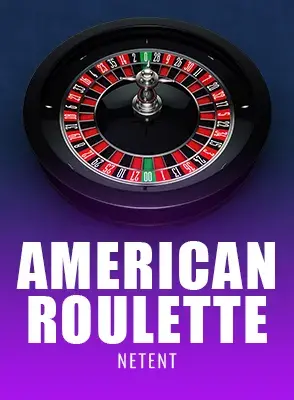
Designed for short mobile sessions, the Pocketwin roulette product was described as a simple RNG game, not a streamed live table. The Pocketwin RNG roulette format was associated with a standard single-zero European wheel, using numbers 0–36. That layout carries a 2.70% house edge, compared with 5.26% for double-zero American roulette. Betting normally covers inside bets on individual numbers or groups and outside bets such as red or black, odd or even, and low or high. Even-money options are therefore familiar, although the product offered little or no meaningful variant choice. A mobile roulette game of this kind can suit quick play, but roulette historically contributed only 10% towards some bonus wagering targets, reducing its promotional value.
Reliable historical descriptions do not identify Pocketwin Three Card Poker in the catalogue; one detailed review explicitly reported it as unavailable. This should not be confused with Pocketwin Hi-Lo Poker, the poker-style title that was documented. In the wider category, conventional Three Card Poker uses three-card hands and commonly separates an Ante bet from a Play bet, with optional Pair Plus betting for players seeking a separate hand-based outcome. Those mechanics describe the general poker games at Pocketwin category, not a specification of a Pocketwin product. Consequently, anyone seeking this exact table game would have encountered a narrower selection than at larger multi-provider casinos.
Pocketwin bingo was one of the stronger non-slot products in historical accounts. Five Pocketwin bingo rooms were reported: Beach, Shopping, In the Pub, Pet Corner and In the City. Each used the familiar 90-ball bingo format, with a reported room jackpot available when 15 numbers were matched within 35 calls or fewer. The experience also included social chat, while mobile bingo at Pocketwin had dedicated access alongside the casino games. Unlike slots, bingo revolves around purchasing tickets, marking called numbers and sharing a community atmosphere. Historical loyalty reporting associated the format with 2 points for every £1 staked, adding a separate rewards angle to the themed rooms and their chat community.
This section is a historical review of Pocketwin Casino promotions, as Pocketwin is closed and has no current claimable offers. The documented Pocketwin bonus history includes registration credit of up to £10, a first-deposit match of up to 200%, recurring 10% deposit rewards, free-spin campaigns and referral incentives. Historical promotional terms also included 40x bonus wagering, although the exact mechanics varied between incentives.
These Pocketwin incentive programmes should be separated from promotion names that were not evidenced in the brand’s historical terms. The subsections below distinguish reported offers from unsupported labels, while explaining the relevant bonus credit, registration reward, validity periods and wagering conditions associated with the former closed casino bonuses.
A Pocketwin crypto bonus was not part of the documented historical offer. The former account model was GBP-only, and its known cashier supported conventional methods such as cards, PayPal, Paysafecard, Apple Pay and Pay by Phone. No established Bitcoin or cryptocurrency deposit route formed part of that payment model.
A genuine cryptocurrency casino bonus would normally identify eligible coins, exchange-rate timing, network fees and crypto-specific wagering rules. Those details are distinct from ordinary promotional terms. In the same way, Bitcoin bonus terms would need to explain how blockchain payments affect deposits, withdrawals and bonus calculations. A crypto-labelled promotion would therefore sit uneasily with Pocketwin’s former conventional cashier structure.
A Pocketwin non-sticky bonus would imply that cash funds remained withdrawable while bonus money and its conditions operated separately. More generally, a non-sticky casino bonus keeps the cash balance distinct from restricted bonus funds, but that label should not be applied automatically to the former promotion.
Historically reported balances distinguished cashable credit from bonus credit. Deposits were associated with 1x deposit playthrough, while bonus credit commonly carried 40x wagering. Thus, £10 of bonus credit required £400 of qualifying turnover. Separate wallet balances can resemble non-sticky mechanics, yet a cashable bonus balance does not automatically mean unrestricted withdrawals during bonus play; bonus forfeiture rules can still apply.
A Pocketwin level-up bonus would normally unlock cash, spins or status benefits after defined activity milestones. No fixed tier ladder or level-up reward schedule was established for Pocketwin. The better-documented Pocketwin loyalty rewards related to bingo, where historical descriptions referred to 2 loyalty points for every £1 staked.
That arrangement created progress-based value without proving a casino-wide level system. In a conventional casino level rewards scheme, meaningful comparisons depend on the points conversion, eligible stakes, expiry period and value attached to each reward tier. Those details show how player progression works, but they do not justify inventing Pocketwin tiers, cash amounts or status benefits beyond the recorded bingo loyalty points.
The Pocketwin spin the wheel bonus is best connected with the documented Pocketwin Lobby Game, an RNG-powered feature, rather than treated as a separate recurring wheel promotion. New players historically used it to determine variable registration credit reported between £1 and £10. A similar feature could set a first-deposit match of up to 200%, commonly reported with a £100 maximum bonus.
The reported validity periods were 14 days for registration credit and 30 days for first-deposit bonus credit. The result was variable, so the maximum was not guaranteed. Where bonus credit was awarded, 40x wagering applied. This makes the feature a random bonus feature with a variable reward, not a guaranteed £10 registration credit or an unconditional 200% match.
A Pocketwin birthday bonus would be a personalised reward triggered by a verified date of birth, potentially consisting of bonus credit, free spins or loyalty value. No fixed birthday reward, amount or eligibility schedule appears in the documented historical promotion set.
That classification differs from the recognised welcome, deposit, referral and featured-game campaigns. A casino birthday reward may be sent as a targeted reward through a promotional email, but an individual message would not establish a standard offer available to all customers. The same principle applies to any personalised casino promotion: date-of-birth verification and targeted eligibility do not, by themselves, demonstrate a published reward schedule.
The Pocketwin deposit bonus was historically described as a variable first-deposit match of up to 200%. The maximum was most consistently reported as a £100 bonus, with a £5 qualifying deposit and 30-day validity. Bonus credit carried a reported 40x wagering requirement.
For example, a £50 deposit receiving the full 200% match creates £100 bonus credit and a £150 combined balance. Applying 40x wagering to the £100 bonus produces £4,000 of qualifying turnover. The Pocketwin first-deposit offer was separate from the former recurring 10% match for returning players and from the £10 registration credit. These figures describe the reported Pocketwin bonus wagering structure, not a current claimable promotion.
Pocketwin Casino reviews often reflect a product built for casual UK play, with low entry costs, phone-based payments and a purpose-built mobile experience. Android and iOS access made short sessions convenient, while familiar cashier brands reduced friction for everyday deposits. However, the historical product had a restricted catalogue, no live casino and a limited provider mix. The Pocketwin pros and cons are therefore best understood in context: its simplicity suited some players, but it could not match the breadth of larger multi-provider casinos. That balance shaped the Pocketwin player experience and its historical reputation.
Older favourable reviews can therefore describe a convenient, accessible service, but they relate to a closed operator rather than a currently available casino under an active UK licence.
The historical GBP-only cashier associated with Pocketwin combined familiar UK banking options with mobile-phone billing. The recorded Pocketwin payment methods covered card payments, PayPal, Paysafecard, Apple Pay, Pay by Phone and bank transfer, although each option had a different role. Some were deposit-only, while others also formed part of the withdrawal process. This distinction matters when comparing the advertised cashier with the route used to receive funds.
For the Pocketwin minimum deposit, card deposits started at £5, while Pay by Phone deposits started at £3 through mobile billing. A former 24–72-hour pending period applied before a withdrawal was processed. After that period, card, PayPal and bank-transfer withdrawals could take up to five days. The same timing was associated with a PayPal cashout where that route was used for both funding and receiving money.
| Method | Transaction use | Minimum or timing |
|---|---|---|
| Visa and Mastercard | Deposits and withdrawals | £5 minimum card deposit, withdrawals took up to five days after the pending period |
| PayPal | Deposits and withdrawals | Withdrawals took up to five days after the pending period |
| Paysafecard | Deposits | No withdrawal route identified |
| Apple Pay | Deposits | No withdrawal route identified |
| Pay by Phone | Deposits | £3 minimum deposit through mobile billing |
| Bank transfer | Withdrawals | Up to five days after the 24–72-hour pending period |
Paysafecard, Apple Pay and phone billing were not identified as withdrawal routes, so payouts generally returned through PayPal, cards or bank transfer. In practical terms, Pocketwin withdrawals could be delayed by identity checks, payment verification or confirmation that the payment account belonged to the player. Such checks are routine safeguards, particularly where the funding method and withdrawal destination do not match.
Mobile access was central to Pocketwin’s former identity, with the Pocketwin mobile casino experience shaped around phones rather than large-screen play. Historical descriptions present Pocketwin on Android and iOS as a service designed for convenient access through a mobile browser or related delivery methods. Accounts differ on whether particular titles were supplied through dedicated downloads, genre-specific apps or browser-based pages, so app-store availability should not be assumed.
The practical appeal was straightforward: touch-friendly games, phone-linked accounts and a compact catalogue suited to shorter sessions on ordinary mobile connections. Some titles also extended beyond smartphones, giving selected users a degree of cross-device access through desktop browsers. That combination made the service feel portable without requiring every game to be built as a full desktop product.
Following closure, no current download or playable mobile service should be promoted as available. The mobile format remains useful context for understanding Pocketwin’s former positioning, not an invitation to seek an active app.
The Pocketwin licence position is historical rather than current. Viral Interactive Limited was the final operator, and UK Gambling Commission account 42739 previously covered remote casino and bingo activity. The associated authorisation was surrendered on 11 November 2024, so it is not an active permission to offer gambling services.
The Viral Interactive Limited licence should therefore be understood as a former regulatory arrangement. Historical references to UK regulation must not be read as current approval to accept players in Great Britain. Pocketwin safety measures also need to be viewed in context: responsible-gambling controls can reduce risk, but they do not guarantee winnings, operator solvency or the legitimacy of a website using the name today.
These controls addressed age, identity, spending and access, but they were never a promise of a positive financial outcome. Any site using the Pocketwin name today would require its own active entry on the UK Gambling Commission register before serving customers in Great Britain; the former record alone cannot establish present-day authorisation.
Before closure, Pocketwin customer support centred on two contact routes: live chat and email. Pocketwin live chat operated from 18:00 to 22:00, creating a narrow four-hour daily window. The service was AI-led, so it could handle straightforward account queries but might not provide immediate access to a human representative.
Chat was suited to basic login difficulties, general navigation questions and simple cashier queries, such as asking how a deposit or pending transaction is normally processed. More sensitive matters required a written record. Verification documents, withdrawal complaints and account closure requests were better directed through Pocketwin support email, particularly where dates, reference numbers or attachments were important. Email correspondence also created a clearer audit trail for disputes than a short automated chat exchange.
The limited schedule and absence of round-the-clock human chat represented a weakness when compared with larger casinos, where continuous live-agent coverage is more common. AI-led assistance can answer routine questions quickly, but complex payment or identity issues often require case-by-case review.
Historical contact details should not be treated as active support channels in 2026. Former customers should retain account emails, transaction records, payment evidence and identification-request correspondence, especially if an unresolved balance or complaint predates the closure. Keeping these records together provides the clearest account history for any subsequent enquiry.
















 Bonus
Bonus